
What is included?
- Transport by tourist bus
- Guide/Monitor
- Lunch
- Visitation Fees
- Travel Insurance
What is not included?
- Personal Extras
Introduction
In order to complement the multidisciplinary content and provide a basis for working with other objects of knowledge, as well as to promote a cultural immersion for the students in various environments, we have scheduled a pedagogical outing for your child’s class, which will take place in the following format:
Print version
Itinerary
MENNONITE IMMIGRATION, GERMANIC CULTURE, COUNTRYSIDE AND COOPERATIVISM
Date - Check Availability
Departure and arrival – at the school.
Boarding – 7:15 AM & Disembarkation – 5:30 PM
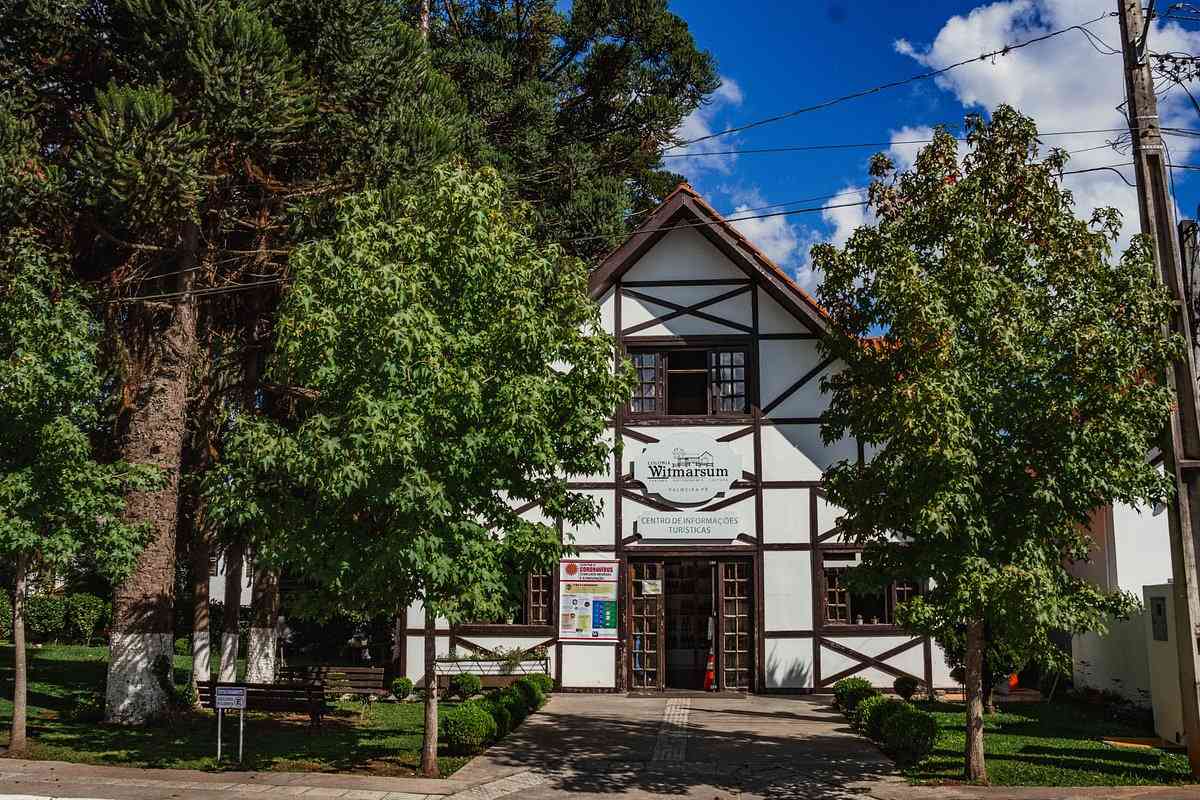
Location – Witmarsum
CURRICULAR COMPONENTS
History: European immigration (Germans, Mennonites), formation of colonies, traditional communities, regional history of Paraná.
Geography: Campos Gerais, rural space, land use, countryside-city relations, production flow routes.
Sociology: community organization, cooperativism, work, cultural identity, religion.
Portuguese Language: reading signs, brochures, labels, producing reports, travel chronicles, articles.
Art: typical architecture, handicrafts, cultural symbols.
Food and Environmental Education: origin of foods (milk, cheeses), production chain, responsible consumption.
THEMATIC FOCUSES OF THE ITINERARY
Recognise the Witmarsum Colony as a community formed by Mennonite immigrants of German-Russian origin, founded in 1951 on the former Fazenda Cancela.
Understand the importance of the Witmarsum Cooperative in the organisation of milk, cheese and grain production.
Identify elements of Germanic/Mennonite culture in architecture, gastronomy, language and religion.
Relate countryside, food production, cooperativism and urban consumption.
Value the historical heritage (Heimat Museum, former headquarters of Fazenda Cancela) as a space of memory and identity.
Reflect on the positive and negative impacts of tourism on traditional communities.


