
What is included?
- Transport by tourist bus
- Guide/Monitor
- Visitation Fees
- Lunch
- Travel Insurance
What is not included?
- Personal Extras
Introduction
In order to complement the multidisciplinary content and provide a basis for working with other knowledge objects, as well as to promote a cultural immersion for the students in various environments, we have scheduled a pedagogical outing for your child’s class, which will take place in the following format:
Print version
Itinerary
HISTORY OF BRAZIL, MARITIME CULTURE AND OCEAN EDUCATION
Date - Check availability
Departure and arrival – at the school.
Boarding – 7:30 AM & Disembarking – 5:30 PM
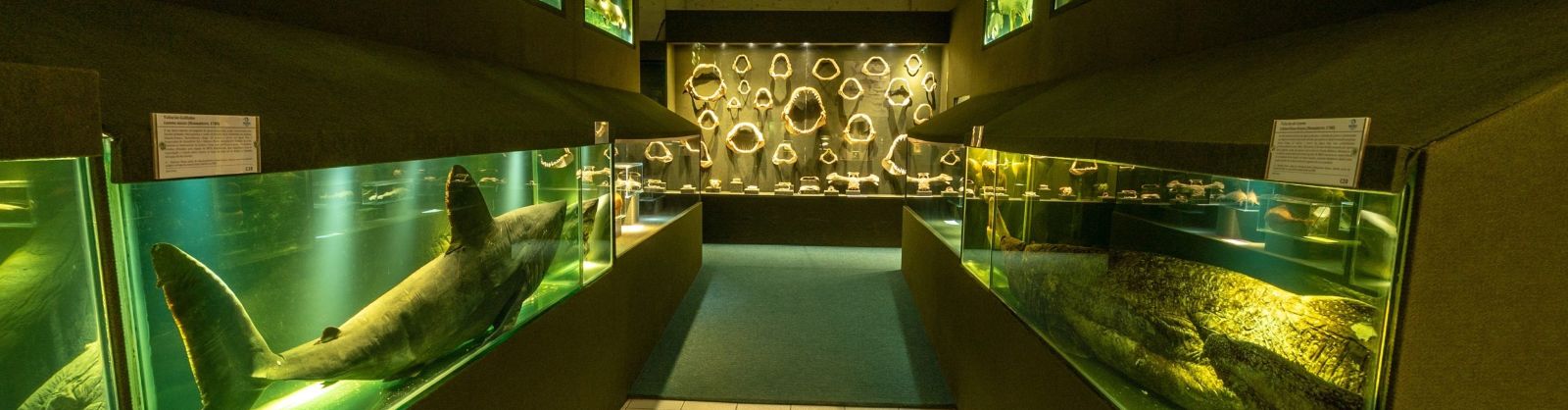
Location – Univali Oceanographic Museum - Balneário Piçarras Campus
CURRICULAR COMPONENTS
History: great navigations; colonization of Brazil; indigenous peoples; formation of the Brazilian state;
Geography: location of SC and the Brazilian coast; oceans; maritime routes;
Science/Biology: marine biodiversity, food chains, marine and coastal ecosystems, anthropogenic impacts.
Sociology/Human Geography: power relations, coloniality, exploitation of natural resources, coastal communities.
Portuguese Language: reading expository texts, panels, captions; production of reports, chronicles, articles.
Art: representation of the sea, boats, navigation symbols, scientific illustrations
THEMATIC FOCUSES OF THE ITINERARY
Recognise the Discovery Memorial as a thematic space that recreates aspects of the great navigations and the Portuguese arrival in the territory now called Brazil.
Problematising the idea of “discovery”, discussing peoples who already inhabited the territory, encounters, conflicts, and permanences.
Identifying the main groups of marine organisms displayed in the Oceanographic Museum (fish, mammals, invertebrates, seabirds, etc.)
Understanding the importance of oceans as climate regulators, oxygen producers, and food sources.
Reflecting on human impacts on the seas (litter, predatory fishing, global warming) and conservation attitudes.
Developing observation skills, recording, reading exhibitions, and responsible behaviour in cultural spaces.


